







ATSA Sew Labs
Professional Sewing Training - Built Where It Is Needed
ATSA Sew Labs help schools, workforce organizations, employers, and communities establish professional-grade sewing, alterations, and textile-repair training capacity. Labs can be installed inside an existing facility or developed as mobile units that serve multiple locations.
Each lab can be configured according to the organization’s space, number of learners, instructional goals, and workforce needs.
SEW LAB OPTIONS
Choose the Sew Lab Model That Fits Your Organization
ATSA Sew Labs can be developed inside an existing facility or configured as mobile units that serve multiple locations. Each model can be tailored to the organization’s space, number of learners, program goals, and workforce needs.
Site-Based Modular Sew Labs
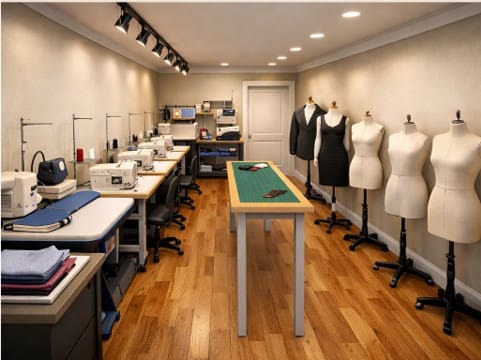
A flexible professional training environment installed within an existing school, workforce center, employer facility, or community location.
Site-based Sew Labs can begin with a single professional workstation or be configured as a multi-station lab. Equipment can be drop-shipped to the host location and arranged with straightforward setup. Mobile tables and equipment stands allow the space to be adapted, stored, or expanded as program needs change.
Well suited for:
- Technical schools and community colleges
- Workforce-development organizations
- Community and nonprofit programs
- Employer training facilities
- Reentry and vocational programs
- Rural and regional training centers
Mobile Sew Labs
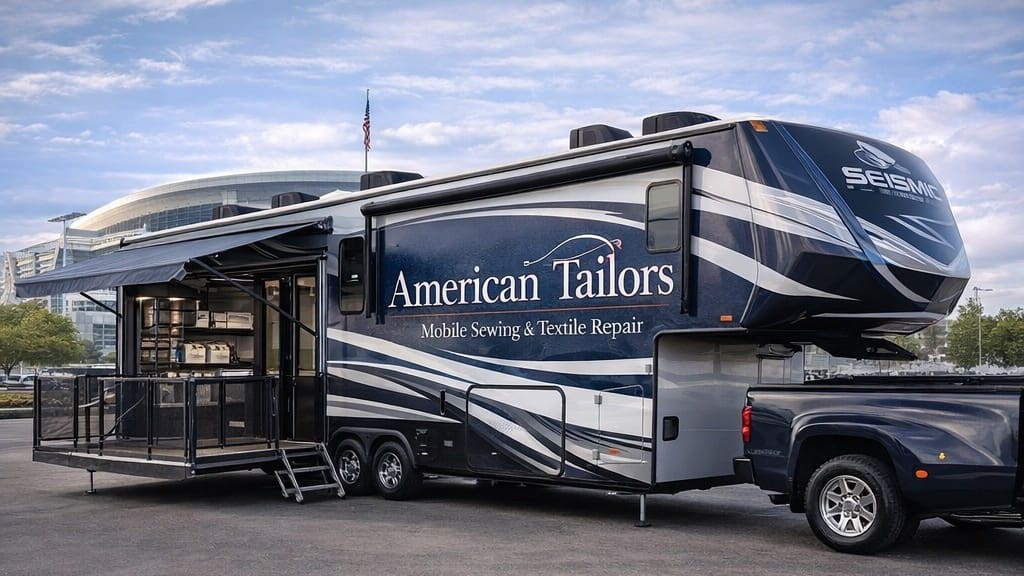
A self-contained professional training facility designed to bring sewing, alterations, textile-repair instruction, and workforce preparation directly to multiple communities and program sites.
Mobile Sew Labs can support regional initiatives, rural access, rotating training locations, employer partnerships, public demonstrations, and community outreach. Each unit can be configured according to its intended learners, instructional programs, equipment needs, and service area.
Well suited for:
- Multi-county and regional initiatives
- Rural workforce-development programs
- Rotating training locations
- Community outreach programs
- Employer and industry partnerships
- Demonstrations and recruitment events
PROFESSIONAL EQUIPMENT Ready to go
Professional Equipment Configured for Real-World Training
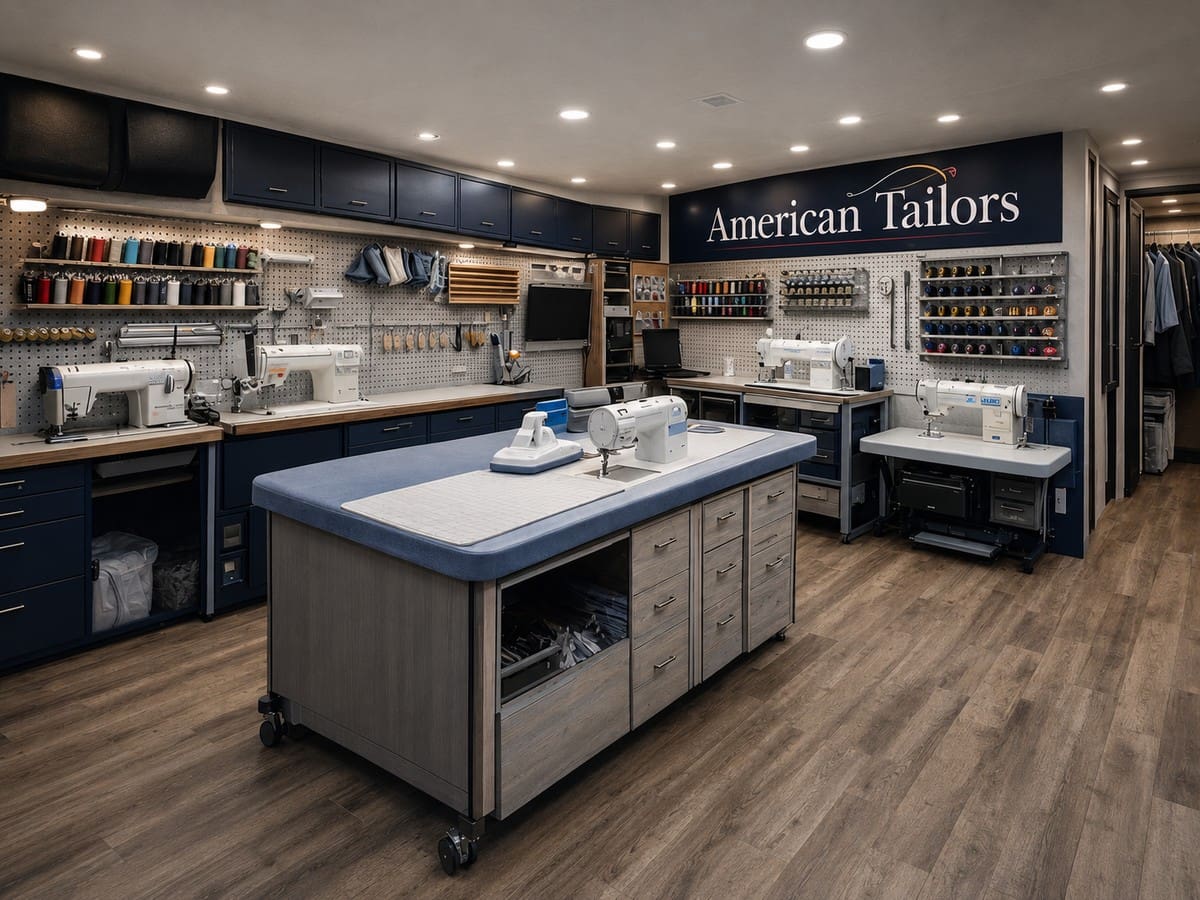
Each ATSA Sew Lab can be configured with professional equipment selected according to the organization’s instructional goals, available space, number of learners, and anticipated workforce pathways. Labs may begin with one professional workstation and expand into a multi-station training environment as program needs grow.
Open the door, and it's ready to go! Industrial professional equipment is pre-installed and drop-shipped directly to the host location. ATSA does not publish equipment pricing because each lab is configured individually.
Professional Sewing Machines
Industrial straight-stitch machines, walking-foot machines, sergers, blind-hemmers, and specialty equipment can be selected according to the program’s training goals and anticipated workforce pathways.
Pressing & Finishing Equipment
Steam irons, vacuum and pressing tables, sleeve boards, pressing hams, clappers, and related finishing tools can be selected to support professional garment construction, alterations, and textile repair.
Cutting & Work Surfaces
Cutting tables, rotary cutters, shears, rulers, mats, patternmaking tools, and adaptable work surfaces can be configured according to the available space and the skills being taught.
Fitting, Storage & Instructional Support
Dress forms, mirrors, fitting platforms, garment racks, storage systems, task lighting, and instructional tools can be selected to support organized, professional, hands-on training.